
Tent camping in the rain can quickly turn miserable if you’re caught off guard. Wet gear, leaking tents, and muddy campsites are common headaches that can ruin a trip.
However, with the right preparation and a reliable waterproof tent, you can stay bone-dry and even enjoy the unique, cozy atmosphere of a rainy trek.
This guide shares practical tips for camping in the rain, from choosing the right campsite to selecting gear suited to wet-weather conditions.

Why Rainy Season Camping is Challenging
Rain presents several challenges for campers, especially for beginners or ultralight backpackers. Water seepage through the tent floor:
Condensation buildup inside the tent
Flooded campsites
Wet gear and clothing
Reduced ventilation
Without a well-chosen campsite or a high-quality tent, you’re just one puddle away from a soaked sleeping bag and a long, uncomfortable night.
Choosing the Right Campsite
Your first line of defense against rain starts before you even unpack your tent. Selecting an appropriate campsite is crucial for staying dry throughout the night.
Avoid Low-Lying Areas
Depressions and valleys are natural collection points for water. Even a modest rainfall can turn a seemingly dry spot into a puddle within hours. Instead, look for slightly elevated terrain that allows water to drain away naturally.
Seek Well-Drained Ground
Sandy or gravelly soils absorb and drain water quickly, making them ideal for rainy conditions. Dense clay or compacted soil tends to hold water and become muddy.
Watch for Hidden Dangers
Stay clear of dry riverbeds, drainage channels, and areas at the base of slopes—these can become waterways during heavy rain. Also, be cautious about camping directly under trees; while they provide some overhead cover, falling branches become more likely in wet, windy conditions.
Selecting High-Quality Waterproof Tents for Camping
Your tent is your most important piece of gear when camping in the rain. Not all shelters handle rain equally well, and understanding what to look for can mean the difference between a comfortable night and a miserable one.
Design Features That Matter
Full-coverage rainfly that extends close to the ground to prevent splashback
Taped or sealed seams at all factory-sealed construction points
Bathtub-style floor with raised edges to keep groundwater out
Adequate ventilation to manage internal condensation
A Rain-Ready Recommendation
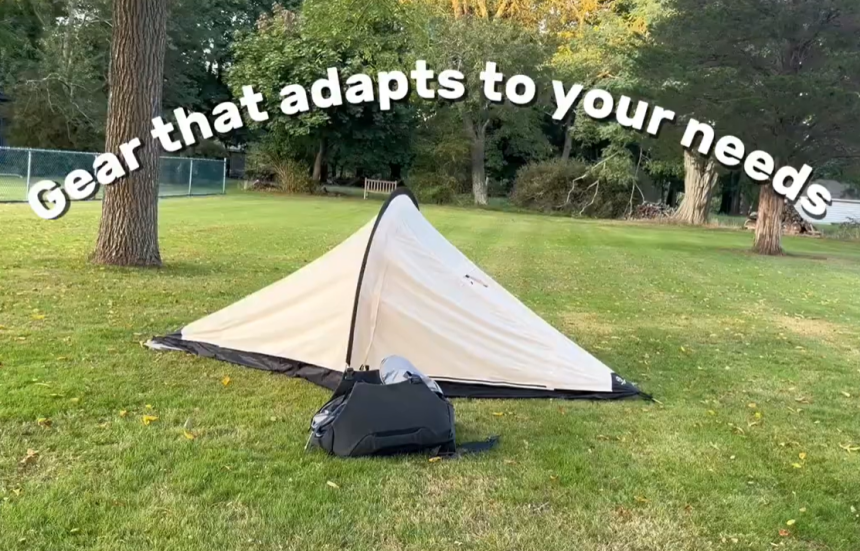
For solo campers seeking reliable wet-weather protection without excess weight, our THECATAL Wind Anchor Tent Bundle offers a compelling combination of features that exemplify modern tent waterproofing standards:
(1) 5000mm Waterproof Rating: Its 10D/20D double-sided silicone-coated ripstop nylon is well above the threshold for heavy rain protection, making it one of the most reliable waterproof tents for camping.
(2) UniArc DualAnchor Design: Single-arch dual-anchor structure maintains fabric tension even when wet, preventing sagging that can lead to water pooling.
(3) 360° Ventilation System: Many campers confuse condensation with rain leaks. This happens when warm air inside the tent meets the cold outer surface, creating water droplets that drip inside. That's why the 360° ventilation system is specifically designed to minimize condensation while maintaining weather protection.
(4) Versatile Setup: Freestanding and non-freestanding options permit you to adapt to different terrain types.
(5) Ultralight Engineering: With the Pro version weighing as low as 650g, you can stay dry without carrying extra pounds.
This wind anchor adventure tent demonstrates that lightweight construction and serious weather protection are no longer mutually exclusive—a key consideration for rainy-season backpackers who need to move fast but sleep dry.

Pitching Strategies for Wet Conditions
How you pitch your tent matters as much as the tent itself. Follow these techniques to maximize rain protection:
(1) Pitch the rainfly first. If rain is already falling, set up the fly before attaching the inner tent. This keeps the sleeping area dry during setup.
(2) Maintain proper tension. A taut rainfly sheds water efficiently; a loose one sags and allows water to pool. Check and adjust guy lines after setup and again after the first hour of rain.
(3) Create a drip line. Tie a small cord or loop of webbing just under the edge of the rainfly above each door. This breaks surface tension and directs water to drip away from the entrance rather than streaming onto you when you enter or exit.
(4) Use all guy-out points. Even if conditions seem calm, full guy line deployment improves ventilation gaps and prevents the fly from contacting the inner tent, which can wick moisture through via capillary action.
(5) Dig a small drainage trench. On sloped ground, a shallow trench on the uphill side of your tent can divert flowing water around your shelter.
Create a Dry Gear Zone
Keeping gear organized and dry is essential on rainy trips. Follow these practices:
Use waterproof dry bags for critical items.
Store muddy gear outside the sleeping area.
Place boots and backpacks in vestibules.
Hang wet clothes under the rainfly to dry.

The wind anchor tent features an openable storage compartment that keeps equipment organized and separated from your sleeping space, helping maintain a dry interior throughout the night.
Conclusion
Tent camping in the rain doesn’t have to mean soggy gear and sleepless nights. With the right preparation, smart site selection, and professional tent waterproofing, you can stay comfortable even in a downpour.
Ultralight tents like the Wind Anchor Tent Bundle showcase how modern design can combine waterproof protection, ventilation, and portability for challenging outdoor conditions.
If you’re planning your next adventure in unpredictable weather, mastering these tips and investing in the right gear, even the rainiest adventure can be an enjoyable one.
Leave a comment
This site is protected by hCaptcha and the hCaptcha Privacy Policy and Terms of Service apply.