
Many campers crawl into their tent after a full day on the trail and toss gear wherever there’s space. The next morning brings predictable chaos—searching for a headlamp, stepping on damp boots, or finding that condensation has soaked into their sleeping bag.
But a well-organized tent is about more than comfort. It saves energy, reduces stress, and can even improve your safety in remote environments.
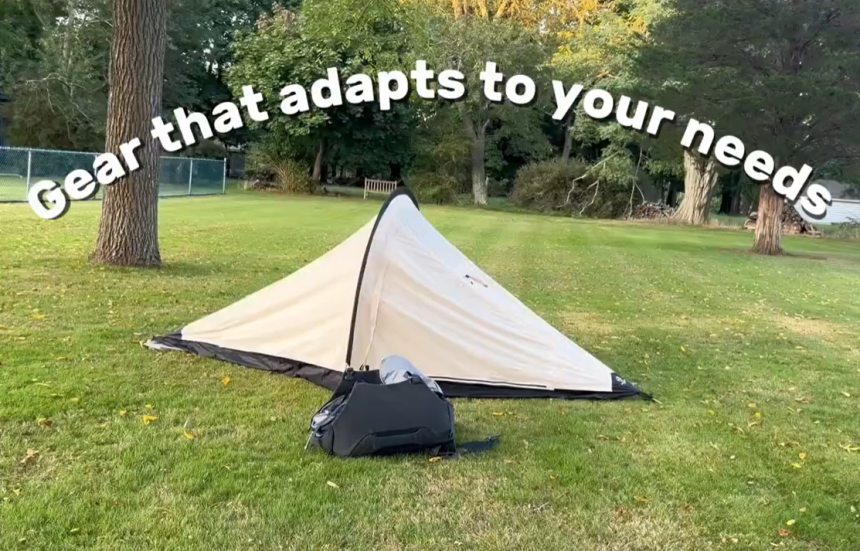
Using the THECATAL Wind Anchor Ultralight 1p Tent as an example, this article explores how to organize your entire shelter system, from packing your backpack to managing your living space at camp.

Efficient Packing Strategies
Packing before Hiking
Tent organization actually begins before you ever leave the trailhead.
Many campers simply stuff their tent into its stuff sack and toss it into their pack. While convenient, traditional tent designs often lead to wasted space and packing frustration:
Oversized Stuff Sacks: Manufacturers often make stuff sacks larger so the tent is easier to pack. But for backpackers, that extra fabric and empty space translates to awkward gaps inside a carefully packed pack.Bulky Pole Sets: Traditional tent poles are long and rigid, often forcing you to lash them horizontally to the outside of your pack. This not only takes up space but can also shift your center of gravity, making for an uncomfortable hike.
This is why the Wind-Anchor smart camping tent was designed with compactness as a priority. With a minimum trail weight of under 1 kg (just 650 g for the Pro version, which packs down to 28 x 10 x 10 cm), its minimalist, streamlined design slides easily inside your pack—nestled alongside your other gear —helping eliminate the packing frustrations common with traditional tents.
Packing Workflow
A common standard among experienced hikers is: Heavy items close to your back, frequently used gear within easy reach.
Bottom Layer: Store your compressed sleeping bag and spare clothing here. This layer is usually the first thing you'll access when you reach camp, and bulky, compressible items are ideal for filling the bottom cavity of your pack.
Middle Layer: This is where your heaviest items go—your food bag, water reservoir, and cook system. Position them against your back, along the midline, to keep your center of gravity stable throughout the day.
Sides & Gaps: This is the space many backpackers overlook. If you're using a tent with a component-separated packing system, this is the perfect spot to stuff the compressed tent body (fly and inner tent) to fill those empty spaces around your core gear.
Top Layer & External Pockets: Reserve this space for items you need instant access to on the trail: rain gear, first-aid kit, headlamp, snacks, and your map.
Camp Organization
Once you've arrived at the campsite and set up your tent, a simple plan for the interior space can make a big difference in convenience throughout the night.
1. Centralized Storage for Small Items
Small items like your phone, headlamp, power bank, and gloves can easily get lost if they’re left scattered around, especially on cold or rainy nights when poor organization can quickly ruin the camping experience. The Wind Anchor tent addresses this with built-in storage pockets, providing a dedicated spot for your headlamp, phone, and other essentials.
This way, if you need light in the middle of the night, you can simply reach out and find your headlamp without fumbling in the dark. It also helps ensure you don't leave these small items behind when you pack up in the mornin
Separate Wet and Dry Gear
One of the biggest challenges in backcountry camping is managing mud and moisture.
Muddy boots or damp clothing can quickly contaminate the sleeping area if brought directly inside the tent. For that reason, separating wet and dry equipment is essential.
Our Wind-Anchor ultralight camping tent features a smart storage compartment positioned at the front of the shelter. This isolated section acts as a dedicated area for muddy footwear or damp gear:
Cleaner Sleeping Space: Dirt and debris remain confined to a separate compartment.
Better Moisture Control: Wet gear stays away from sleeping bags and clothing, reducing the chance of damp insulation. Rain jackets, gaiters, or other wet equipment can also be placed in this section, keeping the interior environment far more comfortable.

3. Managing Condensation
Even in dry weather, moisture can accumulate inside a tent overnight.
As temperatures drop, the warm air produced by your body condenses on the tent walls. Without proper airflow, droplets may form and eventually drip onto your sleeping gear.
Good organization also involves managing ventilation. When setting up camp, consider these habits:
Keep ventilation openings unobstructed
Avoid cooking inside the tent
Limit the number of damp items stored inside
THECATAL’s 360° ventilation window system promotes continuous airflow throughout the tent, helping reduce condensation and maintain a drier interior environment.
Quick Packing
The final stage of organization happens when you break camp. Unexpected weather changes or tight travel schedules sometimes demand a quick departure. In those moments, a tent that packs down easily becomes extremely valuable.
The Wind Anchor ultralight camping tent emphasizes simplicity in both setup and takedown. Its streamlined structure allows campers to fold and pack the tent quickly without wrestling with complicated pole systems.
Note: If the tent surface is still wet with morning dew, attaching it temporarily to the outside of your backpack can prevent moisture from spreading to other gear.
Conclusion
A tent is far more than a place to sleep. When you’re out in the wild, it becomes your home base—your shelter from weather, your storage hub, and the one place where you can truly rest. And just like any home, it works best when everything inside it is organized.


Leave a comment
This site is protected by hCaptcha and the hCaptcha Privacy Policy and Terms of Service apply.