

Camping enthusiasts know that a lightweight tent for backpacking can make or break an outdoor adventure. Choosing the right material is crucial, not only for durability but also for comfort and performance under extreme conditions. At THECATAL, we explore how different coatings—silicone and PU—affect the performance of camping tent bundles, ensuring campers have the best experience regardless of weather challenges.

Enhanced Durability with Silicone-Coated Tents
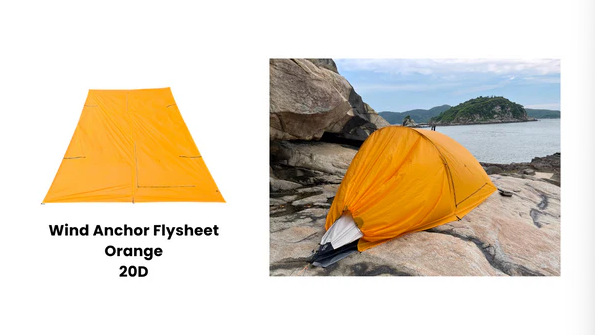
Silicone-coated tents are renowned for their resilience and water repellency. For backpackers, this means a lightweight tent for backpacking that remains strong yet manageable in size. At THECATAL, our Wind Anchor tents showcase this advantage, offering a semi-conical design that tested to withstand gale-force winds up to Beaufort scale level 10-12. The silicone coating enhances the fabric’s tear resistance while maintaining flexibility, making it ideal for those long treks across unpredictable terrain.
PU-Coated Tents and Their Practical Benefits
PU-coated tents are an excellent choice for campers who prioritize cost-effectiveness without sacrificing performance. The polyurethane layer provides reliable waterproofing, ensuring that the camping tent bundle keeps moisture out during sudden downpours. At THECATAL, the PU-coated version of our ultra-light 1P Tent Bundle features reverse-flow ventilation windows, which optimize airflow and reduce condensation—perfect for humid environments or multi-day backpacking trips.
Weighing Performance and Portability
A critical factor in selecting a lightweight tent for backpacking is the balance between durability and weight. Silicone-coated tents typically weigh slightly more but offer superior weather resistance, while PU-coated tents are lighter and easier to carry. Both types in our camping tent bundle line are designed with aerodynamic, semi-conical structures to minimize wind resistance and maximize stability, ensuring campers can move efficiently without compromising safety. For backpackers who frequently encounter wet or windy conditions, the slightly added weight of a silicone-coated tent is a worthwhile trade-off, while those prioritizing minimal pack size may prefer the PU option—either way, the aerodynamic design ensures reliable performance on the trail.
Advanced Ventilation and Comfort
Comfort during camping often comes down to airflow and condensation management. The THECATAL semi-conical tents use advanced ventilation systems, including reverse-flow windows that create a natural breeze effect. This innovation keeps campers cool and dry while preventing moisture build-up inside the tent, enhancing the overall experience whether navigating a windy mountain pass or a forested campsite.
Conclusion
Selecting the right coating for your lightweight tent for backpacking comes down to understanding your priorities: durability, weight, and environmental conditions. Whether choosing silicone-coated or PU-coated tents, THECATAL ensures that each camping tent bundle offers robust performance, advanced ventilation, and dependable weather resistance. Our designs are crafted to support every outdoor adventure, making each journey safer and more enjoyable.


Leave a comment
This site is protected by hCaptcha and the hCaptcha Privacy Policy and Terms of Service apply.