Outdoor enthusiasts are demanding lighter, stronger, and smarter shelter solutions than ever before. As extreme weather events become more common and adventure travel continues to grow, the next generation of the wind proof tent is expected to go beyond traditional structural improvements. Future innovations will likely focus on automated stability systems, intelligent materials, and aerodynamic engineering that can adapt to changing environmental conditions. At THECATAL, we are committed to redefining outdoor living through ecological innovation and advanced outdoor technology, helping create shelters that meet the evolving needs of modern adventurers.

The Evolution of Automated Stability in Wind Proof Tent Design
Traditional tent stability relies heavily on manual setup, guy lines, and stake placement. However, future wind proof tent designs may incorporate automated tension-adjustment systems that respond to wind pressure in real time. Sensors embedded within tent structures could detect changes in wind speed and automatically adjust support points to maintain optimal stability.
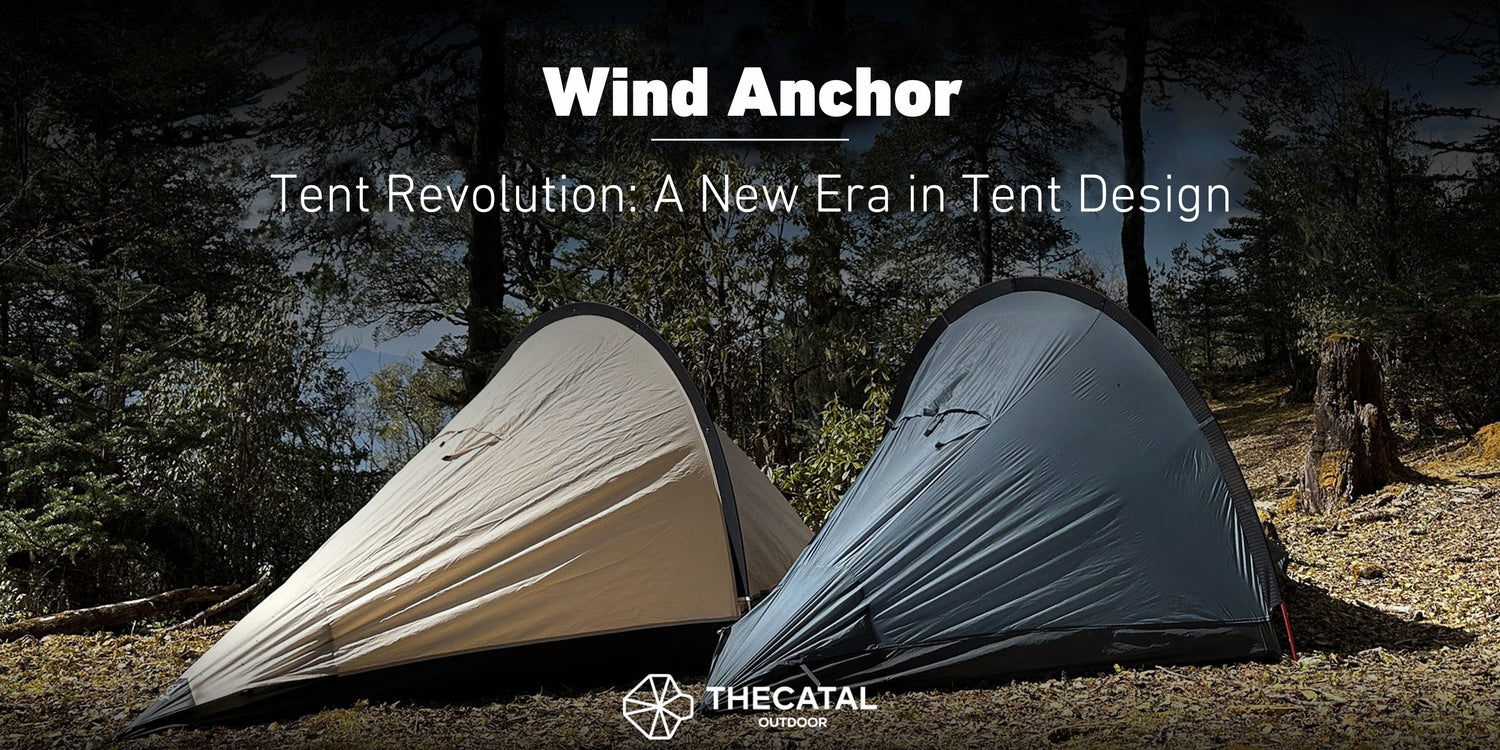
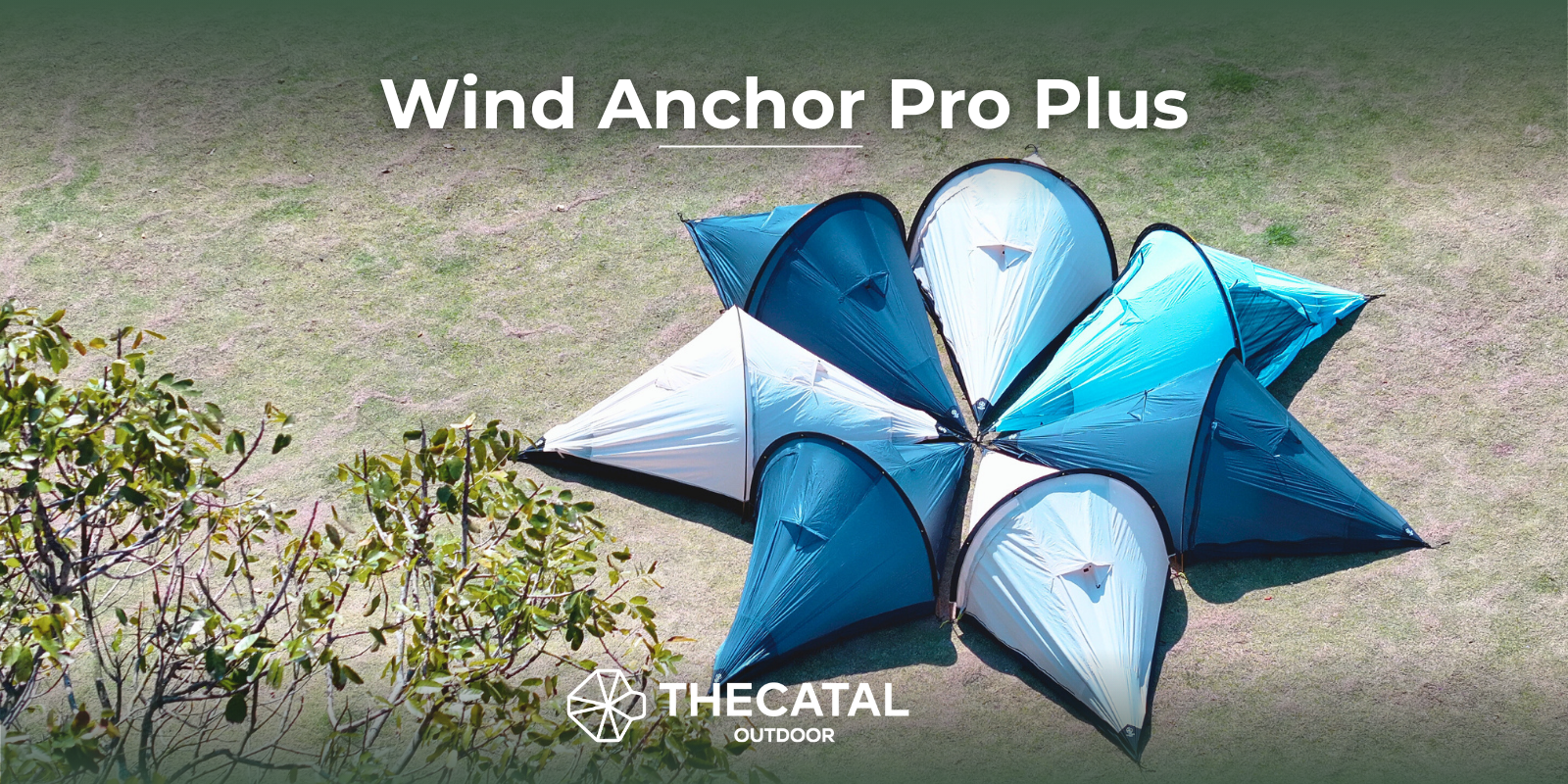
At THECATAL, we recognize that outdoor users seek equipment that simplifies setup while improving performance. Our Wind Anchor tent—a versatile 1.5-person shelter—already demonstrates the importance of advanced structural engineering through its UniArc DualAnchor Design. This single-arch, dual-anchor shell provides exceptional wind resistance and serves as a foundation for future innovations that could make the wind proof tent even more adaptive and reliable.
Aerodynamic Structures Driving Smarter Performance
Aerodynamics will continue to play a major role in the development of next-generation shelters. The semi-conical shape featured in THECATAL's Wind Anchor tent reduces wind resistance and optimizes airflow around the structure. This design allows the tent to withstand winds up to Beaufort scale level 12, setting a high standard for outdoor durability.
Future wind proof tent models may combine aerodynamic shapes with intelligent frame technologies that automatically redistribute loads during severe weather. These advancements can help improve safety while reducing the need for additional support equipment. For retailers and outdoor equipment suppliers, products that deliver enhanced weather resistance offer strong market appeal and long-term customer value.
Ultralight Engineering Meets Smart Technology
As innovation progresses, automated stability systems must be integrated without compromising portability. The growing popularity of the hiking tent ultralight category demonstrates that consumers want products that balance strength with minimal weight.
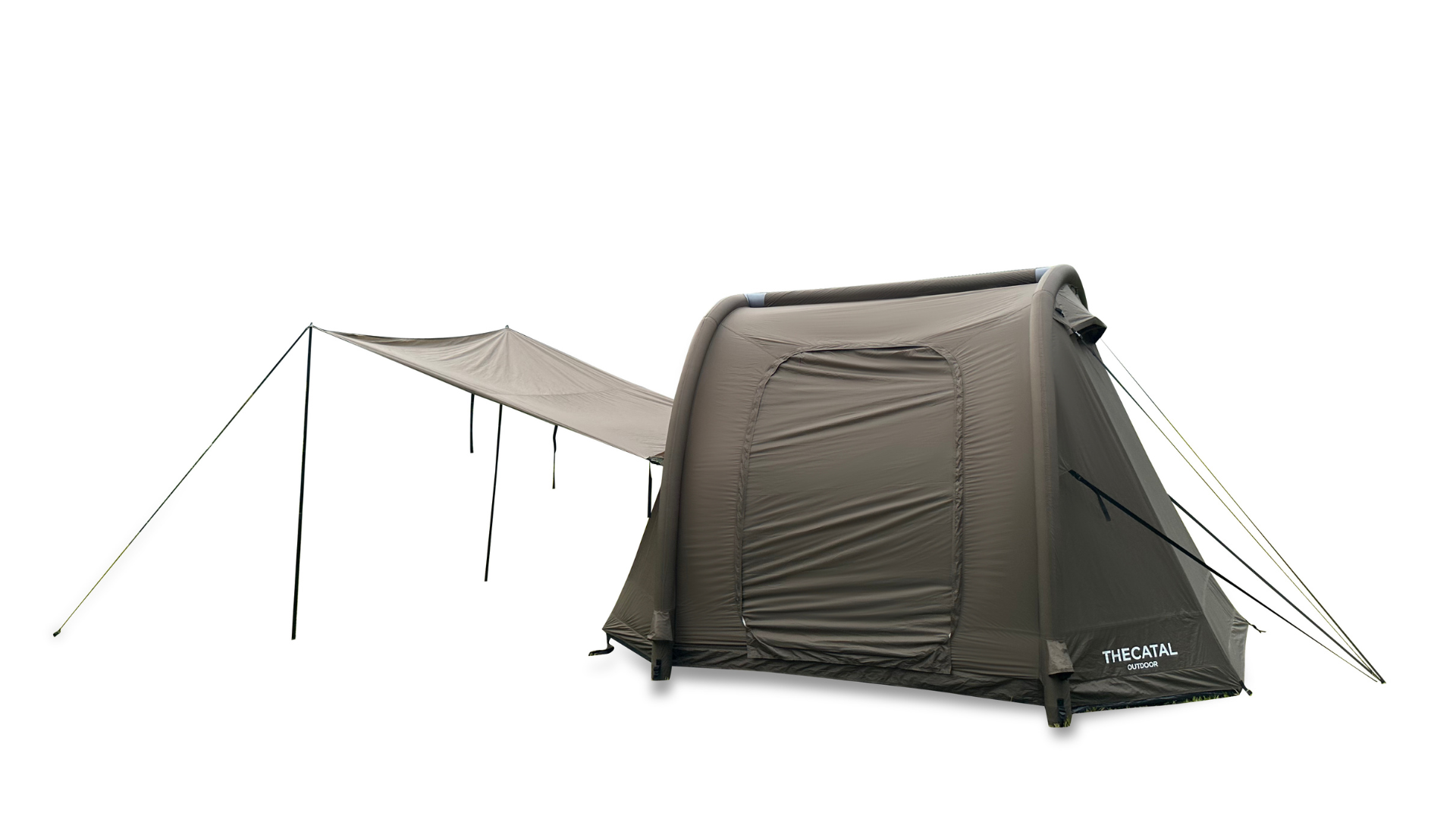
THECATAL's Ultra-light 1.5P Tent Bundle reflects this trend. With the Pro version weighing only 650g(1.43 lbs), it provides a highly portable solution for backpackers seeking dependable shelter. Future developments may incorporate lightweight sensors, advanced composite materials, and energy-efficient monitoring systems that enhance stability while preserving the benefits of a hiking tent ultralight design. Such innovations will help outdoor brands meet increasing demand for intelligent, high-performance camping equipment.
Shaping the Future of Outdoor Shelter Technology
At THECATAL, we are a pioneering outdoor technology company with a global vision, dedicated to transforming the outdoor industry through ecological innovation. We believe the future wind proof tent will combine automated stability, aerodynamic efficiency, and lightweight engineering to create safer and more comfortable outdoor experiences. By advancing technologies that support both durability and portability, we continue to push the boundaries of what a modern hiking tent ultralight solution can achieve for outdoor enthusiasts around the world.

Leave a comment
This site is protected by hCaptcha and the hCaptcha Privacy Policy and Terms of Service apply.