
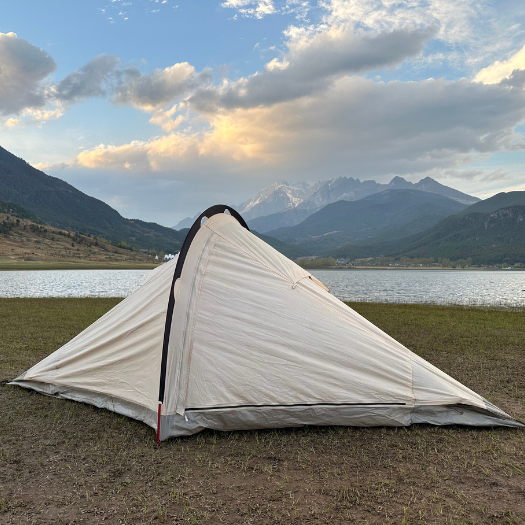
As outdoor enthusiasts embrace the joy of camping, the demand for innovative gear that combines portability with durability has surged. Central to this evolution is the lightweight freestanding tent, engineered to provide comfort and protection without the bulk. Understanding the structural integrity behind these tents unveils how they are designed to withstand challenging conditions while remaining user-friendly.
Aerodynamic Design for Enhanced Stability
The design of a lightweight freestanding tent plays a pivotal role in its performance in various weather conditions. A leading factor is the aerodynamic shape—specifically, the semi-conical design often seen in modern tents. This structure effectively reduces wind resistance by optimizing airflow around the tent, which increases its steadiness in strong winds. For instance, THECATAL’s Wind Anchor tent is capable of enduring winds up to Beaufort scale level 12, establishing a new benchmark for handling extreme weather conditions.
The engineering principles behind this design include a low center of gravity, which minimizes the risk of tipping. Paired with robust pole systems constructed from lightweight yet durable materials, such tents can maintain their shape and functionality, providing reliable shelter regardless of the environment. Thus, when considering a camping tent bundle, prioritizing aerodynamic designs ensures enhanced performance during unpredictable weather.
Advanced Ventilation for Comfort
Another crucial aspect of lightweight freestanding tents is their ability to provide comfort through advanced ventilation systems. Even in adverse conditions, staying cool and dry inside your tent is essential. THECATAL’s unique reverse-flow ventilation windows are designed to allow optimal airflow while preventing water entry, effectively keeping condensation at bay. This feature not only improves the overall experience but also contributes to the longevity of the tent by minimizing moisture-related issues.
Good ventilation supports a healthy environment within the tent and is especially important during warmer months or after physical exertion. This integration of structural integrity and functionality makes lightweight freestanding tents a preferred choice over traditional models, enhancing the overall camping experience.
Materials Matter: The Science Behind Durability
The materials used in constructing lightweight freestanding tents greatly impact their structural integrity. High-quality fabrics, such as ripstop nylon combined with silicone coatings, result in a tent that is both lightweight and exceptionally strong. These materials provide superior tear resistance while ensuring waterproof capabilities, essential for any camping adventure.
Choosing a camping tent bundle that utilizes advanced materials and thoughtful engineering enhances the camping experience. Not only does it ensure your shelter remains reliable, but it also provides peace of mind that you are equipped for any situation.
Elevate Your Camping Experience with THECATAL
At THECATAL, we recognize the importance of structural integrity in creating the perfect lightweight freestanding tent. Our Ultra-light 1P Tent Bundle combines an aerodynamic design with an advanced ventilation system to provide optimal performance in all scenarios. As you plan your next outdoor adventure, consider investing in gear that has been meticulously engineered to enhance your experience. With our commitment to quality and innovation, we invite you to explore the freedom and comfort of our tents, knowing that structural integrity will always be at the forefront of our designs.
#18 Performance Myths Busted: The Durability of Ultralight Backpacking Tents for 1 Person
Ultralight backpacking tents have gained immense popularity among solo hikers and minimalist campers. However, numerous myths surround their durability, prompting concerns about whether these lightweight shelters can truly withstand harsh outdoor conditions. This article delves into the performance of ultralight backpacking tent 1 person models, busting common misconceptions and highlighting their robust features.
Myth 1: Ultralight Tents Aren't Durable
A frequent belief is that the ultralight nature of these tents compromises durability. Many hikers assume that lighter materials mean weaker structures. However, advancements in fabric technology have disproven this notion. High-quality ultralight backpacking tents utilize specialized materials that balance weight and strength. For instance, tents in the camping tent bundle, such as those from THECATAL, are made from advanced fabrics designed to endure the rigors of backpacking while remaining lightweight. The right combination of ripstop nylon and reinforced seams ensures that these tents can withstand wind, rain, and even snow without falling apart.
Myth 2: They Can’t Handle Extreme Weather
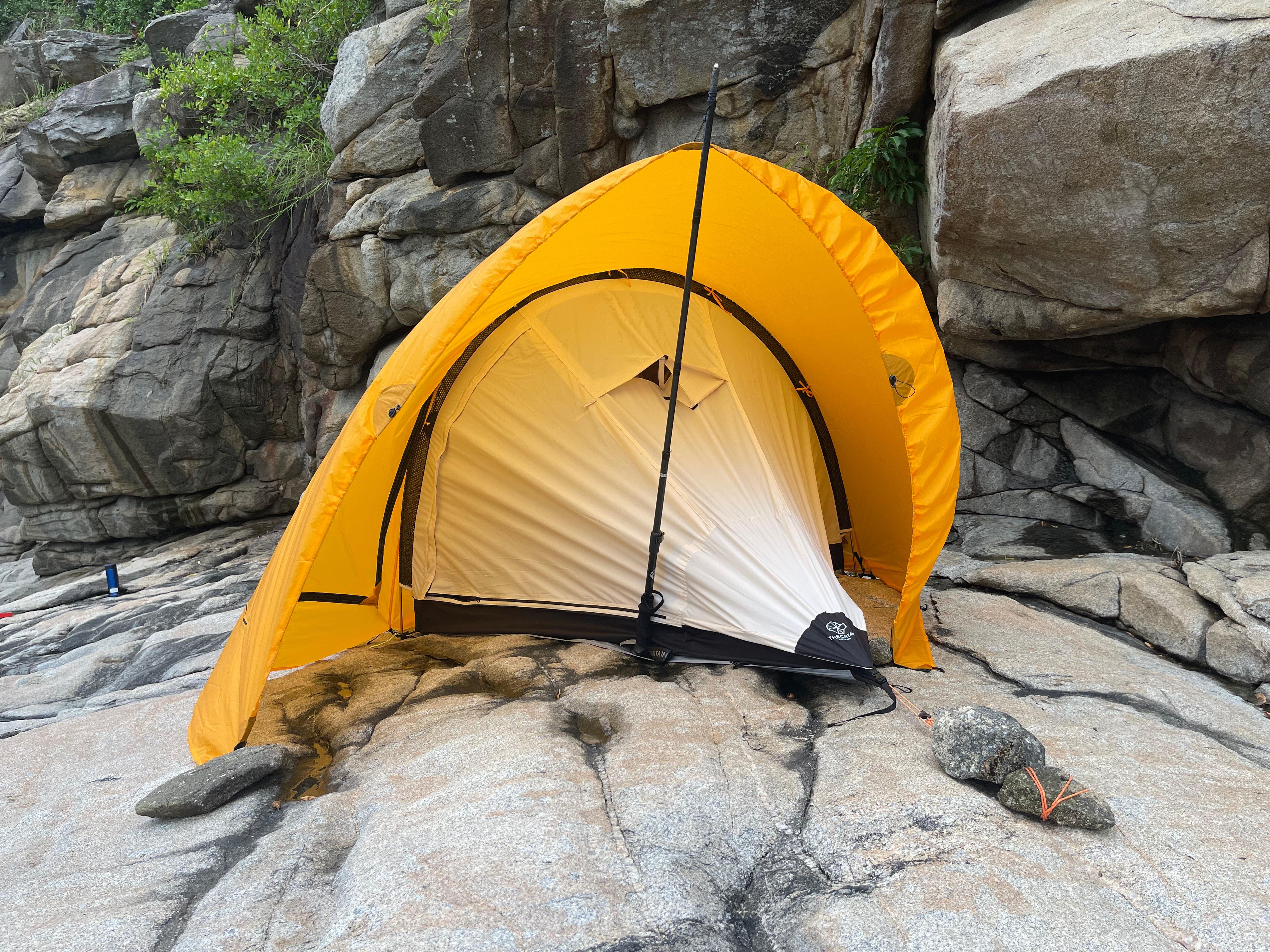
Another misconception is that ultralight tents are only suitable for fair weather camping. While it’s true that heavier tents may offer additional weather resistance, many ultralight backpacking tent 1 person models are designed with robust features to combat extreme conditions. For example, models equipped with a solid flysheet and a tested waterproof rating can effectively repel moisture and wind. Tents like the Wind Anchor from THECATAL boast a compact design that not only sets up quickly but also includes a smart storage compartment to keep gear organized during undesirable weather. This compartment prevents muddy boots or wet gear from ruining your sleeping area, ensuring a clean and safe environment.
Myth 3: They Offer Limited Comfort and Storage
Skeptics often believe that ultralight tents compromise comfort and space due to their minimalist design. However, many modern 1-person backpacking tents are cleverly designed to maximize usable space while minimizing bulk. Features such as vertical sidewalls, high ceilings, and efficient layouts allow for a surprising amount of room despite their small footprint. The isolated smart storage compartment featured in some camping tent bundles effectively separates gear from your sleeping area, preventing annoying moisture issues and ensuring a more comfortable experience overall.
Embrace the Durability of Ultralight Tents with THECATAL
At THECATAL, we are committed to dispelling the myths surrounding ultralight backpacking tents. Designed for simplicity and durability, our Wind Anchor 1P Tent Bundle showcases how lightweight materials can be both strong and dependable. Our tents are built to pitch quickly, ensure comfort, and provide adequate storage, making them perfect for solitary adventures. We invite you to explore our offerings and experience the blend of functionality and durability that our ultralight backpacking tents provide—your next adventure awaits!


Leave a comment
This site is protected by hCaptcha and the hCaptcha Privacy Policy and Terms of Service apply.